Why Small Stores Lose Because of the Wrong Assortment Strategy
Small retail doesn’t lose because of square footage. And it doesn’t lose because a large chain store is nearby. It loses because of shelf strategy.
The Biggest Mistake: Copying the Supermarket.
When a small store offers:
- the same brands,
- the same SKUs,
- the same prices,
there is no reason for a customer to choose it. A small store has to be different.
Not bigger. Not cheaper. Smarter.
Margin Matters More Than Volume. Many store owners focus on sales volume. But revenue without margin is an illusion of success. Sometimes a SKU with lower turnover but higher markup generates more net profit than a “fast-moving” product with a thin margin. Penny profit matters more than impressive numbers in a report.
Today, winning categories include:
- sugar-free products,
- premium European sweets,
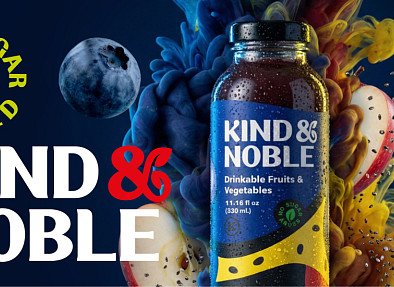
- functional beverages,
- glass-packaged products,
- niche and specialty items.
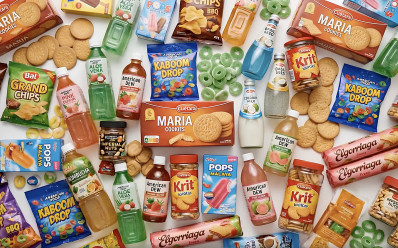
The customer should walk in and think: “I can only find this here.” If the assortment doesn’t stand out, the store becomes just another convenience stop. Forty SKUs on one meter of shelf space — without depth, structure, or logic — is not variety. It’s chaos. Better strategy:
- fewer SKUs,
- more depth per SKU,
- clear structure,
- intentional merchandising.
Depth creates a sense of stability. An empty shelf creates a sense of risk. Large chains operate on volume.Small stores can operate on margin. But only if there is:
- thoughtful SKU selection,
- proper depth,
- a clear positioning concept,
- discipline in ordering.
Assortment is not a price list. It’s a profit strategy.